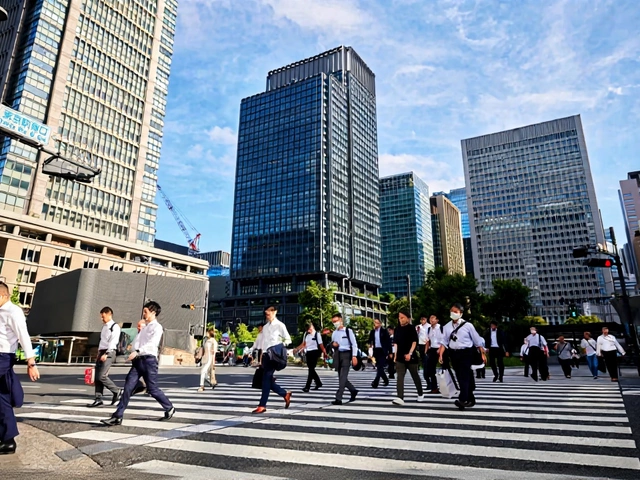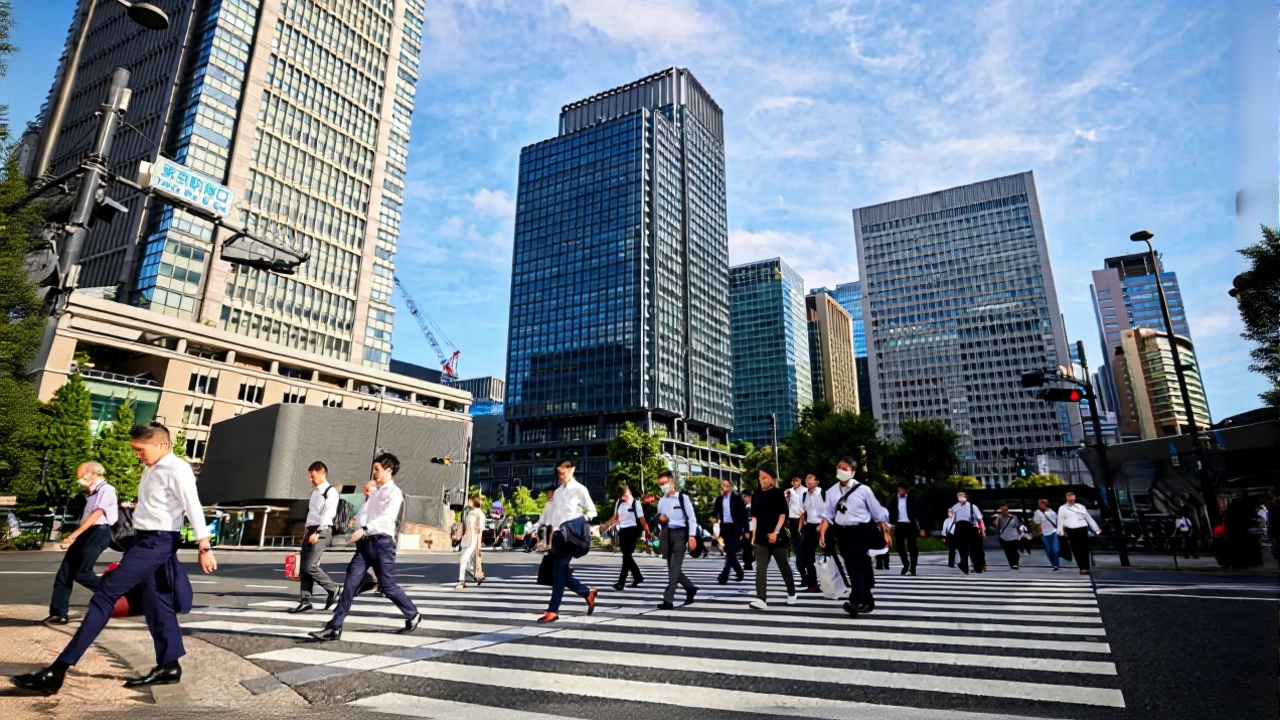
On November 28, 2025, GIC Pte Ltd, Singapore’s $700 billion sovereign wealth fund, quietly pulled the plug on its long-standing Tokyo headquarters — not because it was leaving, but because it was growing. The move to the Shin-Marunouchi Building in Tokyo’s Marunouchi financial district signals more than just a change of address. It’s a bet on Japan’s financial resurgence — and a bold statement that GIC sees the next decade of Asian capital flows running through this very street corner.
Why Tokyo? The Market Is Waking Up
Japan’s markets haven’t been this lively in years. After more than a decade of stagnation, record-low interest rates, and cautious foreign investment, the country is seeing a quiet but unmistakable revival. The Nikkei 225 surged past 38,000 in late 2025, fueled by corporate governance reforms, stronger yen expectations, and a wave of domestic M&A activity. GIC’s decision didn’t come out of nowhere. It came after months of internal analysis, site visits, and quiet conversations with Japanese institutional investors. "The energy here has changed," said one anonymous portfolio manager familiar with GIC’s strategy. "People are talking about returns again, not just risk mitigation." The fund’s current home, Pacific Century Place Marunouchi, isn’t just any office. GIC owns a stake in the building — a rare move for a foreign investor in Japan’s tightly held commercial real estate market. Yet even with ownership, the space was cramped. Sources say the new Shin-Marunouchi Building will nearly double the square footage, suggesting a team expansion — possibly adding 50 to 70 roles in investment analysis, local partnerships, and asset management.A Move That Defies Convention
Most global funds would’ve stayed put. Why sell or vacate a property you already own? But GIC isn’t playing by traditional rules. This isn’t about cost-cutting. It’s about signal-carrying. By moving into one of Tokyo’s most prestigious towers — home to Goldman Sachs Japan, Mitsubishi UFJ Financial Group, and the Tokyo Stock Exchange’s executive offices — GIC is positioning itself as a peer, not just a passive investor. The timing is deliberate. Japan’s Financial Services Agency has been pushing foreign funds to deepen local engagement. GIC’s physical expansion is a direct response — and a quiet nod to regulators that it’s in Japan for the long haul. "They’re not just writing checks," noted a Tokyo-based financial analyst who spoke off-record. "They’re putting chairs at the table."The Human Side of the Move
Behind the corporate press release are dozens of employees. Some will relocate from Singapore. Others will be hired locally. The fund has been quietly interviewing Japanese investment professionals since mid-2025, particularly those with experience in private equity and infrastructure — two sectors GIC has been aggressively targeting in Japan. The new office isn’t just bigger. It’s designed for collaboration: open-plan workspaces, dedicated meeting rooms for Japanese partners, even a small tea room modeled after Kyoto-style ryokan — a subtle cultural bridge. "We don’t just want to invest in Japan," said a senior GIC executive, speaking anonymously. "We want to understand it. That means being here. Listening. Building relationships over tea, not Zoom calls."
What This Means for Japan’s Financial Future
GIC’s move is a bellwether. When one of the world’s largest sovereign funds doubles down on Tokyo, others take notice. South Korea’s National Pension Service is already scouting nearby offices. Abu Dhabi’s Mubadala has held informal talks with Japanese real estate developers. Even China’s CIC, traditionally cautious about Japan, has reportedly increased its monitoring of Tokyo’s commercial real estate market. The ripple effect could be significant. More foreign capital means more liquidity in Japanese equities. More local hires means deeper market knowledge. And more physical presence means more influence over corporate governance — something Japan’s regulators have long wanted. This isn’t just about office space. It’s about trust.What’s Next? The January Deadline
By early January 2026, GIC’s staff will be fully settled in the Shin-Marunouchi Building. The Pacific Century Place Marunouchi space will remain under GIC’s ownership, but its role will shift — possibly to house back-office functions or serve as a satellite for visiting delegations. No official figures were released on lease costs, but industry estimates put the annual rent at $15–18 million — a steep price, but one that reflects premium location and prestige. What’s more telling? GIC didn’t haggle. They paid the asking price. That alone speaks volumes.
Why This Matters Beyond Tokyo
For Singapore, this move reinforces its role as a global financial hub that doesn’t just manage money — it shapes it. GIC’s expansion in Tokyo mirrors similar moves in Berlin, Paris, and Sydney. It’s part of a broader strategy: to be present where the action is, not just where the returns are. And for Japan? It’s validation. After years of being seen as a market for passive investors, Tokyo is now attracting strategic, long-term players who are willing to build, not just buy.Frequently Asked Questions
Why is GIC expanding in Tokyo when it already owns part of its current building?
GIC’s ownership of Pacific Century Place Marunouchi doesn’t guarantee operational flexibility. The new Shin-Marunouchi Building offers nearly double the space, modern infrastructure, and a more prominent address — critical for attracting top talent and signaling serious commitment to Japanese partners. Ownership was a financial play; the move is a strategic one.
How does this affect Japan’s financial markets?
GIC’s expansion signals confidence in Japan’s economic turnaround, potentially encouraging other global funds to follow. Increased foreign presence boosts liquidity in Japanese equities, supports corporate governance reforms, and may lead to more cross-border M&A activity. The fund’s local hiring also deepens market expertise within Japan’s financial ecosystem.
What’s the timeline for the relocation?
GIC officially announced the move on November 28, 2025, with operations set to fully transition to the Shin-Marunouchi Building by early January 2026. Staff relocation, IT setup, and client meetings will be phased over December, ensuring minimal disruption to ongoing investments.
Is this part of a larger trend among sovereign wealth funds?
Yes. Sovereign funds like Norway’s Government Pension Fund and Qatar Investment Authority have been increasing physical presence in key markets since 2023. GIC’s move follows a pattern: deeper local ties mean better deal flow, more influence, and reduced reliance on intermediaries. Tokyo, with its revitalized markets, is now a top-tier target.
Will GIC invest more in Japanese companies because of this move?
Almost certainly. With more staff on the ground, GIC can conduct deeper due diligence, attend more board meetings, and respond faster to opportunities — especially in infrastructure, renewables, and mid-cap tech. Analysts expect a 20–30% increase in Japanese deal volume over the next 18 months.
Why didn’t GIC disclose financial details of the lease?
Sovereign wealth funds typically avoid disclosing commercial lease terms to prevent market speculation and maintain negotiation leverage. While estimates suggest $15–18 million annually, the real value lies in the strategic positioning — not the rent. GIC’s silence is intentional, not secretive.